


Turn SaaS Panic Into Superior Exits
 Einar VollsetManaging Partner, Discretion Capital
The biggest lever I pulled wasn't a traditional "finance leadership" move - it was recognizing that the 2021-2022 SaaS market whiplash created a vacuum nobody was filling. Founders were getting inbound acquisition interest but had no one in their corner who actually understood SaaS metrics deeply enough to run a real competitive process.
That's where I built something different. Rather than waiting for deals to come to us, we built proprietary market monitoring tools to track PE-owned software companies in real time. That technical edge meant we could identify the *right* buyers - not just the ones showing up in a founder's inbox - which is often the difference between a mediocre exit and a genuinely great one.
The external factor that created the opportunity was actually the market getting harder. When multiples compressed and founders got scared, most advisors went quiet. We leaned in, because we'd seen that panic-selling from a weak position destroys value, while a structured, competitive process consistently adds millions even when someone already has an offer in hand.
The practical lesson: industry disruption usually punishes generalists and rewards specialists. When everyone around you is retreating, that's often the moment to double down on a specific problem you understand better than anyone else.
Shift From Advisory To Principal Credit
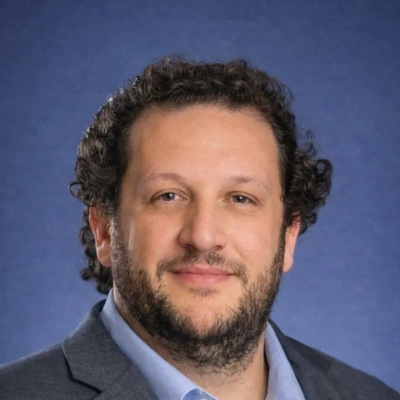
With 18 years leading capital raises, M&A advisory, and direct investments across real estate and gaming at firms like Atalyst and Fertitta, I was well placed to spot when advisory work hit limits.
The shift toward principal-led direct lending in commercial real estate let me pivot at Sahara Investment Group. External demand for flexible, creative financing in the Southwest created openings that traditional banks no longer filled.
This move turned advisory constraints into active origination and execution roles on deals we sourced and managed end to end.
I focused on aligning with family office clients who wanted integrated investment and oversight, using my Fiume Capital experience to build repeatable platforms instead of one-off mandates.
Adopt Independent, Plan-Led Advice Model

My plateau broke when I stopped trying to advance inside a traditional product-driven model and leaned into the industry shift toward independent, planning-led advice. After Riverstone/Brightway, I saw clients wanted clarity, tax strategy, and transparency more than another investment pitch.
The external change was that technology made independence far more viable. Using Altruist, I could give clients cleaner account management, performance tracking, and a smoother digital experience without building a bloated legacy firm.
That opened the door to focus Seek & Find Financial on entrepreneurs and business owners earning $400K+ who needed real-life planning around taxes, investments, and business decisions. The opportunity wasn't just "more clients" -- it was serving a narrower group much better.
My advice: when you hit a plateau, look for where the industry is removing friction. Then build around the client problem that old models still make harder than it needs to be.
Adapt Fast As Conditions Change
 Eric PemperManaging Member, CuraDebt
I never thought about using industry changes to advance my career; most of the time, I was just reacting to them. When I started CuraDebt at 27, the debt relief business was constantly evolving over the next 24 years. With shifting credit cycles, tightening regulations, and changing consumer behavior, there was always something new happening. I wasn't exactly predicting these shifts; I was simply close enough to the daily grind to spot growing pressures before everyone else.
Biggest growth happened after economic downturns when everyone struggled with various debts. People weren't just maxed out on credit cards; they also owed taxes, struggled with business debts, and had mounting student loans—often all together. We adapted, offering help with more debt types, simply because clients needed it, not due to any planned strategy.
As the industry grew up, trust and compliance got really important. Stronger companies thrived while the rest fell by the wayside. A lot of the changes were pretty mundane—tightening procedures, tweaking messages, and following new regulations. Making tough calls with not enough info was just part of the routine.
The lesson here is that industries usually don't reward perfect prediction. Instead, they favor folks who can adapt fast to changing conditions. The real edge? Staying flexible when others freeze up or become paralyzed.
Convert Technology Pressure To Business Value
 Walt CarterPresident, THG Advisors
I've spent 30+ years in COO/CIO/CDO seats, so the plateau I see finance leaders hit is when they become excellent at control but not value creation. The industry shift I used was the move from owned infrastructure to cloud, SaaS, AI, and measurable digital platforms.
At organizations like Fidelity and Gannett, the opportunity was not "cut IT." It was to connect technology roadmaps, vendor strategy, governance, and KPI reporting directly to business outcomes.
External factors created the opening: vendor sprawl, cybersecurity pressure, cloud cost complexity, and executives asking, "What is AI actually worth to us?" Finance leaders who could translate those pressures into ROI, risk reduction, and optionality suddenly had a bigger seat at the table.
My practical advice: stop presenting technology spend as a budget category. Present it as a portfolio, with each item labeled "run," "risk," "growth," or "waste," then force every major vendor and project to justify which box it belongs in.
Build Personal Pensions With Alternatives
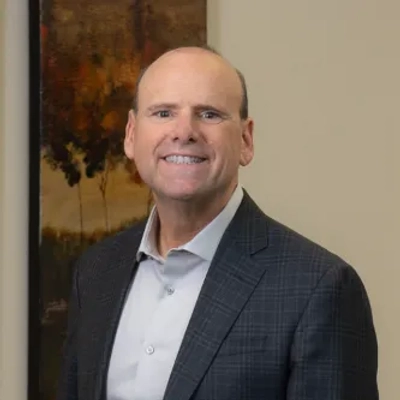 Michael GinsbergCertified Financial Planner, Certified Financial Planner
Having spent over 25 years across law, commercial lending, and wealth management, I hit a career plateau when I realized traditional market-based planning was failing retirees. The systemic decline of corporate pensions created a massive market gap, prompting me to pivot my advisory model to focus entirely on resilient, income-focused planning.
I capitalized on the expanding access to alternative investments--such as private real estate and fixed-index annuities--which were once exclusive to institutional endowments. By integrating these lower-volatility vehicles into my proprietary Lifetime Wealth Blueprint, I was able to build reliable "personal pensions" for clients.
This strategic pivot allowed me to break through my professional ceiling and build a firm that now manages roughly $75 million in assets. To overcome your own career plateau, look for systemic shifts in consumer vulnerability and design a specialized, non-conventional framework that solves them.