
Two-Part Recognition System Slashes Celebration Budget
 Maksym ZakharkoChief Marketing Officer / Marketing Consultant, maksymzakharko.com
When our budget constraints became more pronounced, I implemented a two-part recognition system that proved both cost-effective and morale-boosting. Rather than expensive team events, we created a virtual "shout-out wall" during our regular team meetings where achievements were publicly acknowledged, paired with small personalized rewards like coffee vouchers capped at €50 per person. Getting stakeholder buy-in was straightforward once I presented a cost comparison showing we could celebrate five milestones with this approach for the same price as one traditional team dinner. The leadership team initially questioned whether small tokens would have meaningful impact, but the overwhelmingly positive feedback from team members validated the approach. This method actually strengthened our recognition culture while reducing our team celebration budget by nearly 70% compared to previous years.
Treating Recruiting as Revenue Creates Cost Savings

One cost play that never feels like a cut is treating recruiting like a revenue lever. We rebuilt job descriptions and candidate journeys as if they were high converting marketing assets. Clear value props, crisp outcomes, real growth paths. The result is better pipelines, faster hires, and lower outside spend. Morale goes up because people see a bar they want to clear. Hiring quality improves and so does the business. Stop calling recruiting a cost center. It either drives growth or it holds you back.
Remote Work Model Cuts Costs While Boosting Productivity
 Bhavik SarkhediFounder & CEO, Ohh My Brand
One unconventional approach I implemented to reduce costs while enhancing quality was transitioning our entire operation to a remote work model in 2020. This decision, while initially seen as risky by many stakeholders, required transparent communication about both the potential financial benefits and the opportunities for improved work-life balance for our team members. I secured buy-in by presenting a comprehensive analysis of projected cost savings on office space and related expenses, alongside a detailed plan for maintaining productivity through appropriate digital tools and regular check-ins. The results exceeded expectations, as we not only achieved significant cost reductions but also improved team productivity and flexibility. This strategic shift ultimately strengthened our position by allowing us to attract global clients who appreciated our adaptable business model and diverse talent pool.
Repurpose Content to Save Production Time
 Joe DaviesCEO, FATJOE
I got my team to stop using a 30-page SEO case study just once. Instead, we'd break it apart. One study turned into five blog posts, a set of social graphics, and email snippets. I showed the bosses a simple spreadsheet proving we saved 10 hours a week. The best part was the team started having fun with it, turning the hunt for new angles into a friendly competition. We created more marketing material in half the time, and the quality never dropped.
Team Bug Bounty Replaces Expensive QA Contract
 John ChengCEO, PlayAbly.AI
We once killed our expensive QA contract and put that money into a quarterly bug bounty for the team. Suddenly, everyone was looking for bugs in each other's work. Product quality improved and we didn't spend a dime more. The key was showing them they were just getting the vendor's old budget directly. Small experiments like this work when people see the direct benefit for themselves.
Customer Involvement Turns Staging Into Experience
 Brandi SimonOwner, TX Home Buying Pros
We tried something new. We started inviting homeowners and buyers to help with staging, turning a day into a fun hands-on activity. They'd just move furniture or add new plants, but it worked. Our costs went down and the turnaround got faster. When someone physically moves a lamp or places pillows themselves, they connect with the house differently. The other agents were on board once they saw homes sell quicker with less overhead. My advice? Take one property and try your weirdest idea.
Bundle Repairs Across Properties for Vendor Discounts
 Brooks HumphreysFounder, 614 HomeBuyers
After getting burned by inconsistent vendor pricing at my last two companies, I found a trick at 614 HomeBuyers. We bundled repairs across multiple homes. We saved a ton of money, vendors were happy for the steady business, and our projects turned around faster. Getting partners on board was easy. I just showed them the before-and-after numbers. My advice? Frame it as an experiment. Let the numbers do the talking and don't push too hard at first.
University Partnership Delivers Professional SEO Results
 Justin HerringFounder and CEO, YEAH! Local
We needed SEO work but couldn't afford freelancers, so I called a nearby university's marketing department. The students brought perspectives we hadn't considered, and in return, they got a real project for their resumes. My boss thought it was a risky move at first, but once he saw the campaign numbers improve and read the students' detailed write-ups, he was sold. Showing some concrete results early on gets people on board with new ideas.
Internal Skill-Swap Program Reduces Outsourcing Needs

In today's economy, cutting costs is often synonymous with cutting heads—but it doesn't have to be. When our leadership team challenged us to reduce operational spend without compromising team morale or customer satisfaction, I knew traditional cost-cutting wouldn't cut it. We needed an unconventional strategy that aligned with our values and still delivered tangible savings.
Instead of looking at what we could remove, I looked at what we were underutilizing—specifically, people's hidden skill sets. Many employees had strengths beyond their job descriptions, from coding to communications, yet we continued outsourcing tasks like graphic design, social media scheduling, and internal tech support. So I proposed an internal "job-swap" program: a quarterly rotation where employees could lend their unused talents to other departments.
At first, it sounded risky. Would it distract from core responsibilities? Would it feel like more work? But the rollout was strategic—we allowed people to opt in, framed it as skill-building, and aligned swaps with slower periods in each team's workflow.
One standout case: our customer support rep Sophia, who had a background in digital illustration, helped redesign our FAQ pages and onboarding materials. Her work improved customer comprehension scores by 24%, eliminated the need to hire an external designer, and earned her a cross-functional performance bonus. Her story alone saved the company nearly $12,000 in freelance design fees while boosting engagement across support and marketing.
According to a 2022 McKinsey study, companies that embraced internal talent mobility saw a 30% reduction in contractor spend and a 21% improvement in employee satisfaction. The key? Making skill-sharing feel like growth—not overload. Our initiative mirrored this: costs dropped, but enthusiasm rose.
Cost-cutting doesn't have to mean cost-slashing. By trusting the talent you already have and giving employees the chance to shine beyond their roles, you can uncover efficiency, spark innovation, and preserve team morale. The job-swap program wasn't just a budget win—it became a culture win. And once stakeholders saw the numbers and the employee feedback, buy-in wasn't hard to get. It just took flipping the question from "what do we cut?" to "what are we missing?"
Peer Teaching Cuts Training Costs While Building Community
 Joaquin CalvoDirector, Comligo Spanish
I implemented a peer-to-peer teaching program where our instructors share specialized skills like business Spanish or regional dialects in mini-sessions with colleagues. This approach reduced our training costs by 40% while actually improving team morale and creating a stronger sense of community within our organization. To gain stakeholder buy-in, I presented the initiative as an opportunity for professional development and knowledge sharing rather than positioning it as a cost-cutting measure. The results exceeded our expectations as team members embraced the chance to both teach and learn from their peers.
Users Test Features in Exchange for Feedback
 Sandro KratzFounder, Tutorbase
We needed user feedback for Tutorbase but had zero budget. So I pulled in some tutors from our new language programs, letting them test features early in exchange for their honest thoughts. It worked perfectly. We got the feedback we needed, and they got so invested they started suggesting their own ideas. The leadership team was skeptical at first, but they came around once they saw how much the tutors were actually using the new tools. My advice? Start with a small group you trust.
Transform Discarded Materials Through Tactile Demonstrations
 Julia PukhalskaiaCEO, Mermaid Way
I implemented an unorthodox cost reduction method by creating complete capsule collections through the use of discarded fabric materials and excess trim pieces. The process of working with deadstock materials and leftover trims turned out to be a form of alchemy which transformed discarded materials into beautiful and personal creations.
I obtained support from others through physical demonstrations of the fabric textures. I brought potential collaborators and buyers to experience the fabrics by touch so they could feel the raw lace and silk scraps while picturing how they would feel against their skin. People tend to trust visions more when they experience the physical beauty and intention of a product.
Custom Tool Modifications Maximize Existing Equipment Assets

The unconventional method we used to reduce costs without sacrificing quality or morale was Hands-on Tool and Equipment Re-specialization. The conflict is the trade-off: traditional cost-cutting focuses on cheap materials or labor, creating a structural failure in quality and morale. We focused on eliminating cost by maximizing the utility of the assets we already owned.
We stopped buying specialized, single-use equipment and instead challenged our most experienced foremen to re-engineer existing heavy duty tools with custom attachments and modifications. This meant taking a general-purpose lifting device and creating a specialized structural attachment that could safely handle materials on a steep-slope commercial job, eliminating the need to rent or buy a new crane. This was the trade-off: spending skilled labor time on custom fabrication, but guaranteeing zero compromise on material quality or safety.
We secured stakeholder buy-in by presenting data that converted tool rental costs and project delays into a measurable Cost of Unused Capacity. We proved that the financial savings from avoiding new equipment purchases was significant, and morale soared because the company was investing in the hands-on ingenuity of the crew. The best way to reduce costs is to be a person who is committed to a simple, hands-on solution that prioritizes maximizing the structural utility of existing assets.
Technicians Lead Cost-Cutting Through Process Improvements
 Jonathan AndersonCo-Founder, Green Home Pest Control
By involving our technicians directly in finding savings. Instead of top-down budget cuts, we asked the team where they saw waste—extra trips, unused supplies, or scheduling inefficiencies. They came back with ideas we hadn't even noticed, like reorganizing routes to cut fuel costs and adjusting inventory orders to match seasonal demand. It worked better than any spreadsheet could have.
Getting buy-in was easy because it was their plan. When people see their ideas implemented, they take ownership of the results. We reduced expenses without cutting hours or quality, and morale actually improved. Everyone felt like they had a voice in how we operated, which made the whole company stronger—not just the learner.
Customer-Led Content Replaces Traditional Marketing Spend
 Samantha StuartCo-Founder, Magic City Pest Control
One unconventional way we cut costs at Magic Pest Control was by swapping traditional marketing for customer-led content. Instead of spending heavily on ads, we encouraged happy clients to share short videos or photos after treatments and offered small thank-you perks like service credits. It built authentic word-of-mouth buzz and gave us real local visibility for a fraction of the cost.
To get buy-in, I framed it as an experiment focused on connection, not just savings. Our team liked that it celebrated their work, and customers loved being part of our story. The results spoke for themselves—referrals increased, ad spend dropped, and morale stayed high because everyone could see how their relationships were directly helping the business grow.
Streamlined Tech Stack Enhances Creative Focus
 James RigbyFounder, Design Cloud
One unconventional way I've reduced costs without hurting quality or morale was by flipping how we approached productivity tools. Instead of piling on more software, I focused on building fewer, smarter systems that let people do more with less. We're a tech-driven creative company, so the temptation is always to experiment with new platforms. But I realized that too many tools were fragmenting our workflow and adding hidden costs. So we stripped things back to essentials and built lightweight automations around them. That shift cut software spend and gave designers a calmer, more focused workspace.
Getting buy-in wasn't about selling a cost-cutting idea; it was about showing how simplicity fuels creativity. I talked openly with the team about the mental load that comes from constant app-switching and framed this as a quality-of-life upgrade, not a budget decision. Once they saw how much smoother their day felt, the savings followed naturally. For me, tech is about using it intelligently to give people more space to do their best work.
Volunteer Maintenance Rotation Builds Community Connection
 Ysabel FlorendoMarketing coordinator, Harlingen Church
We introduced a volunteer-led maintenance rotation that turned a recurring expense into a shared ministry. Instead of relying exclusively on outside contractors for routine upkeep, members with professional skills—electricians, painters, landscapers, and general handymen—signed up for monthly maintenance weekends. The program began as a simple cost-saving idea but quickly grew into a community-building effort that strengthened fellowship and pride in stewardship.
To gain stakeholder support, we emphasized the dual purpose of the initiative: fiscal responsibility and spiritual connection. The finance committee appreciated the measurable savings, while the congregation embraced the chance to serve tangibly. We backed it with transparent reporting that showed how funds saved on labor were redirected to missions and youth programs. That accountability turned what might have been viewed as "budget trimming" into a visible act of faithful resource management that boosted morale rather than diminishing it.
Free AI Education Generates Valuable Inbound Leads
 Will MeltonCEO, Xponent21
We started a free AI literacy program, which honestly felt backwards for our business. But then our cold calling just died. People started calling us instead. Our team got on board once they saw how much cheaper these inbound leads were. Show the hard numbers. It's tough to argue with old marketing spend when community goodwill is bringing in better customers for less.
Zero-Motion Inventory Restructure Eliminates Wasted Movement
 Illustrious EspirituMarketing Director, Autostar Heavy Duty
Reducing costs without sacrificing quality or morale is a constant operational mandate. The typical solution is cutting labor; the effective, unconventional solution is eliminating unnecessary physical movement and friction.
The method we used was the Zero-Motion Inventory Restructure. We recognized that the most significant hidden cost in our heavy duty trucks operation was the sheer time spent by high-value employees walking and searching for high-turnover OEM Cummins parts. This wasted motion eroded morale and compromised fulfillment speed.
As Operations Director, I restructured the warehouse based solely on Velocity and Weight. We moved the fastest-moving, highest-cost items—like Turbocharger assemblies for the X15 and ISX engines—to the single most accessible, low-lift rack nearest the packing station. We forced slow-moving, low-value inventory to the highest shelves.
We got stakeholder buy-in by presenting a simple metric: the time saved on Same day pickup fulfillment instantly converted into hundreds of extra productive labor hours per month. The cost of labor dropped, quality remained perfect, and morale improved because the work became demonstrably easier and faster. The ultimate lesson is: You reduce costs by ruthlessly optimizing the physical space around the human expert.
Contractor Network Creates Mutual Referral System
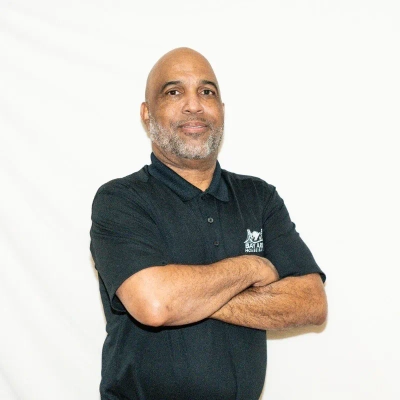 Lawrence IrbyPresident, Bay Area House Buyer
Instead of hiring out for every job, I built a small network of contractors. They'd handle clean-outs and minor repairs for us, and we'd send referrals their way. This kept our costs down but the houses still looked good, so they sold faster. My team was skeptical at first, but after seeing how quickly we closed deals, they were completely on board. It just came down to scratching each other's backs to get better prices and quality work.
Team Votes on Task Automation Priorities
 Bennett HeynFounder, Backlinker AI
At Backlinker AI, we let the team vote on which routine tasks to automate instead of outsourcing them. It took a couple cycles to smooth out, but then morale improved and costs dropped because everyone felt a sense of ownership. Showing pilot data with better turnaround times convinced the skeptics. If you're looking for unconventional savings, just run a small test and let the numbers make your case.
Data-for-Design Exchange Replaces External Research Costs
 Arsh SanwarwalaFounder and CEO, ThrillX
One unconventional method we used at ThrillX Design to reduce costs without compromising quality was implementing a "data-for-design" exchange system across projects. Instead of allocating large budgets to external research tools or market surveys, we leveraged anonymized user behavior data from ongoing A/B tests to inform multiple clients' UX strategies. This approach gave us real-world behavioral insights that replaced expensive third-party research, improved design accuracy, and significantly cut operational costs- all while maintaining transparency and ethical data use.
To secure stakeholder buy-in, we emphasized how this method aligned with our results-driven philosophy and showed measurable ROI from the pilot phase. By demonstrating faster project turnaround times and higher conversion lifts - without increasing spend - stakeholders quickly recognized the value. We maintained team morale by highlighting the innovation behind the strategy, framing it as an opportunity to learn and lead in data-driven design rather than as a cost-cutting measure.
Internal Expertise Workshops Replace Outside Trainers

We stopped hiring outside trainers and had our therapists run workshops for each other instead. This saved us a ton of money, and seeing them share their actual, everyday techniques felt more real. It was a little awkward at first, but now people volunteer ideas on their own. My advice? Start small and be upfront with your team about what's in it for them.
Strategic Automation Empowers Staff for Higher-Impact Work
 Alex VasylenkoFounder, Digital Business Card
Instead of laying off employees or cutting spending, we took an unconventional step to reduce costs, while still maintaining morale. At Digital Business Card, we looked at the processes that cost us and consume the most time onboarding, follow-ups, and all the manual data entry, and replaced these with simple automations.
This saved us both time and money and allowed employees more freedom in doing creative or higher-impact work. To get stakeholder buy-in, we provided some simple metrics: less burnout, speedier work, and better customer satisfaction. Once our team perceived automation as a means of empowering them instead of replacing them, everything fell into place.
The smartest cost reductions will not come from layoffs; they will come from freeing people to do their best work through well-placed technology.
Cross-Functional Teams Rotate Skills Between Departments
 James AllsoppCEO, iNet Ventures
One unorthodox approach taken to cut costs while keeping quality and morale intact was establishing a flexible and sharing approach to resources within our teams. Rather than hiring a specialist for every singular function, we designed cross-functional project teams, where individuals rotated or pitched in on different assignments as required. This encouraged intra departmental resource optimization, talk about saving on outsourcing and collaboration in skills development, to say nothing of professional growth and departmental relations.
To help secure stakeholder support, we communicated proactively with open channels that explained, with clear figures attached, the expected cost and productivity benefits. We also started small to test the approach and gather data to support adjustments based on feedback. Given that stakeholders helped shape the solution, balance, quality and morale risk were control factors to establish trust and alignment on implementation of the novel approach.