

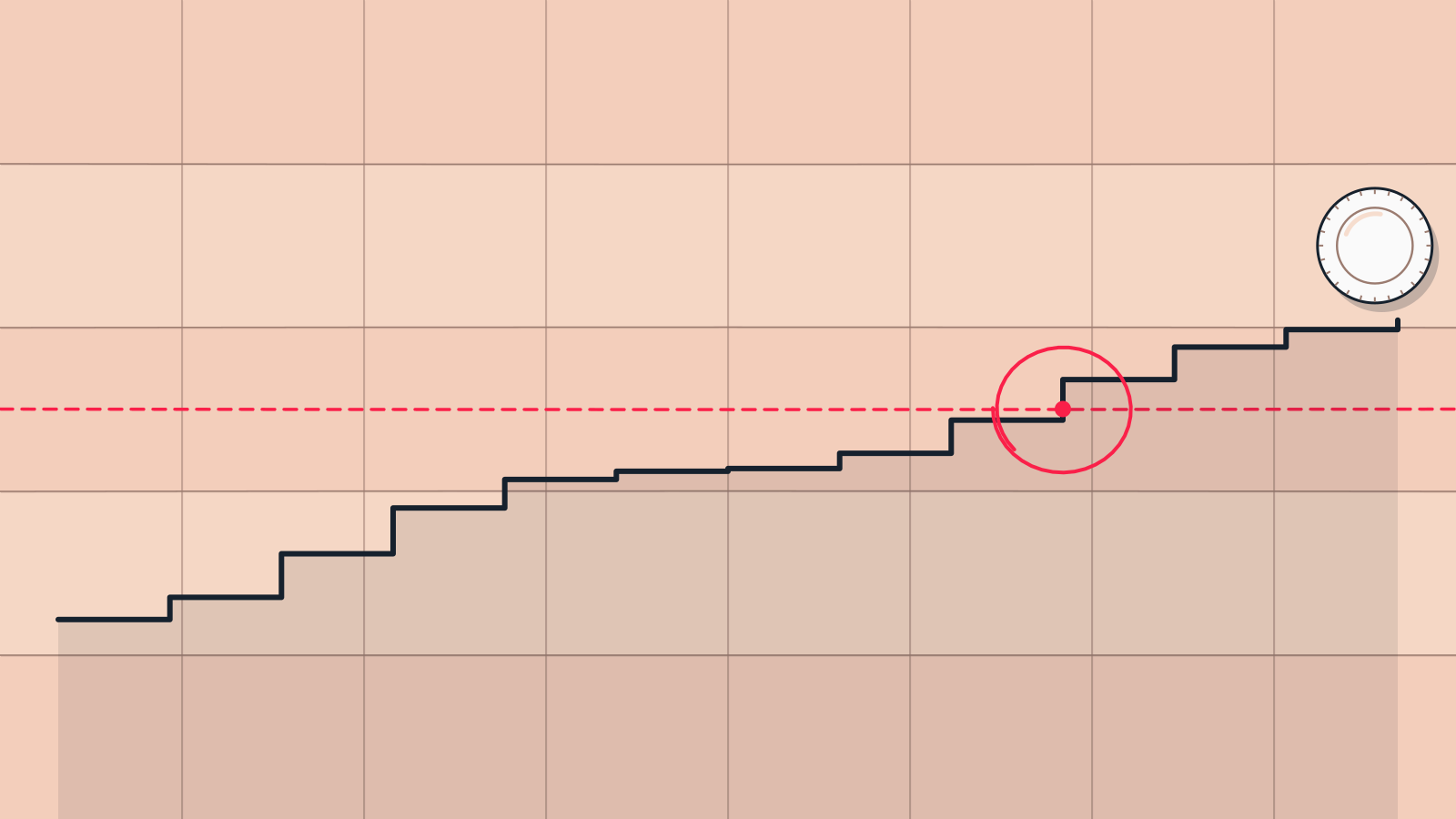
The Orrstown securities repositioning, announced November 9, has the Pennsylvania bank booking a $13.8 million pre-tax loss to swap low-yielding bonds for ones paying about 5.20%. The sale ends years of below-market income on bonds bought when rates were low, and the loss lands in the fourth quarter.
Key points
- Orrstown Financial Services (Nasdaq: ORRF), parent of Orrstown Bank, sold available-for-sale securities with an amortized cost of $185.6 million, a weighted average yield of 3.13% and 8.4 years of average remaining life.
- It is putting the proceeds into available-for-sale securities it expects to yield about 5.20% on a weighted average basis.
- The company estimates a net pre-tax loss of $13.8 million, to be reported in its fourth-quarter 2026 results.
- Orrstown says the loss trims the bank's September 30 capital ratios by about 22 basis points (risk-based) and 20 basis points (leverage), all still above well-capitalized levels, and expects to recover that within two quarters.
- Banks across the industry held $326.7 billion of unrealized securities losses at mid-2026, 5.5% of amortized cost, according to the FDIC.
What is the Orrstown securities repositioning?
It is a sale of older, lower-yielding bonds at a loss so the cash can be reinvested at today's higher yields. The holding company of Orrstown Bank, a lender with $5.7 billion in assets across south-central Pennsylvania and Maryland, sold part of its available-for-sale (AFS) portfolio and is buying replacement AFS securities.
The company expects the move to lift earnings, net interest income and margin, and its return on average assets in later periods. It describes the hit to tangible book value as nominal, because the decline in the bonds' value had already been recorded in accumulated other comprehensive loss.
Why would a bank sell bonds at a loss?
Because the loss already exists on paper, and selling turns a long stretch of low income into a short, visible cost. The bonds Orrstown sold paid 3.13% with more than eight years left to run; holding them would have locked in that yield for years while new bonds pay more.
The scale of the problem is industry-wide. The FDIC's second-quarter 2026 Quarterly Banking Profile put unrealized losses on banks' securities at $326.7 billion, or 5.5% of amortized cost, down from 6.8% a year earlier but still described by the agency as elevated.
Orrstown is not alone this season. BayCom Corp, parent of United Business Bank in California, said on October 22 that it sold $106.8 million of AFS securities yielding about 3.79% at a $6.8 million pre-tax loss and reinvested $109.3 million at 5.01%.
How long does the trade take to pay back?
About 4.4 years at the stated yields, by our arithmetic from the release, not a figure the company gives. If the sale raised about $171.8 million (cost less the loss), reinvesting at 5.20% earns about $8.9 million a year against about $5.8 million on the old bonds at 3.13%, a gain near $3.1 million a year before tax.
Our estimate, pre-tax, in $ millions, from the figures in the release:
| Measure ($ millions, pre-tax, our estimate) | Old bonds | New bonds | Basis |
|---|---|---|---|
| Balance | 185.6 (amortized cost) | about 171.8 (implied proceeds) | Cost from the release; proceeds are cost less the loss |
| Yield | 3.13% | about 5.20% | Release |
| Annual income | about 5.8 | about 8.9 | Balance times yield, from the release |
| Added income a year | n/a | about 3.1 | New income less old, from the release |
| Years to earn back the $13.8 million loss (estimate) | n/a | about 4.4 | Loss divided by added income, from the release |
The "two quarters" in the release is a different measure. It refers to rebuilding the regulatory capital ratios, which fall because the loss now counts against capital, not to earning the $13.8 million back through income.
Why do capital ratios fall if book value barely moves?
Because accounting and regulatory capital treat AFS losses differently. Under generally accepted accounting principles, unrealized AFS losses already reduce equity through accumulated other comprehensive loss, so a sale mostly moves the loss from one line to another.
Most banks below the largest tier, however, may elect under the federal capital rules to leave that accumulated other comprehensive income out of regulatory capital. For those banks, a paper loss does not count against capital until it is realized, which fits the pattern the release describes: little change to tangible book, a small drop in capital ratios.
What does the release not say?
The release gives no breakdown of what Orrstown bought: not the type of securities, their duration, or how the 5.20% yield is estimated. It does not state the sale proceeds, the after-tax loss, or a payback period, and it does not say whether more of the portfolio could be sold later.
What should CFOs take from it?
Our analysis: the useful number in a repositioning is the payback, not the yield headline, and here it is measured in years while the capital recovery is measured in quarters. Treasury teams holding long bonds bought before rates rose face a smaller version of the same choice: keep a below-market yield to term or take the loss and reinvest. The trade-offs are the ones practitioners weigh in treasury choices that balance debt costs and cash placement and in setting practical hedging rules for rates. The result also depends on rates: if yields fall, the case for having sold improves; if they rise further, the new bonds face the same paper losses.
Frequently asked questions
How big is the Orrstown securities repositioning?
Orrstown sold available-for-sale securities with an amortized cost of $185.6 million, according to its November 9 release. It expects a net pre-tax loss of $13.8 million in the fourth quarter of 2026.
Are other banks selling bonds at a loss to reinvest?
Yes. BayCom Corp, parent of United Business Bank, reported a similar sale in its third-quarter 2026 results, taking a $6.8 million pre-tax loss to reinvest at 5.01%. Industry-wide, the FDIC counted $326.7 billion of unrealized securities losses at mid-2026.
Does the loss hurt Orrstown's capital?
Slightly. The company says the loss reduces the bank's capital ratios by about 20 to 22 basis points, leaves them above well-capitalized thresholds, and should be recovered within two quarters, according to its release.
Why doesn't the sale cut tangible book value much?
The fall in the bonds' value had already been recorded in accumulated other comprehensive loss, which is part of equity. Selling realizes a loss that book value had largely absorbed already.
Sources
- Press release from Orrstown Financial Services via GlobeNewswire, November 9, 2026: execution of strategic repositioning
- FDIC Quarterly Banking Profile, second quarter 2026, Federal Deposit Insurance Corporation
- BayCom Corp 2026 third quarter results, filed with the SEC on October 22, 2026
- 12 CFR 324.22, regulatory capital adjustments and deductions, including the AOCI opt-out election (eCFR)