News
Codexis moves its debt repayments out to 2030 with a $60 million Trinity loan; its filing spells out the terms

Codexis's venture debt refinancing with Trinity Capital swaps a loan due to amortize in March 2027 for 48 months of interest-only payments.
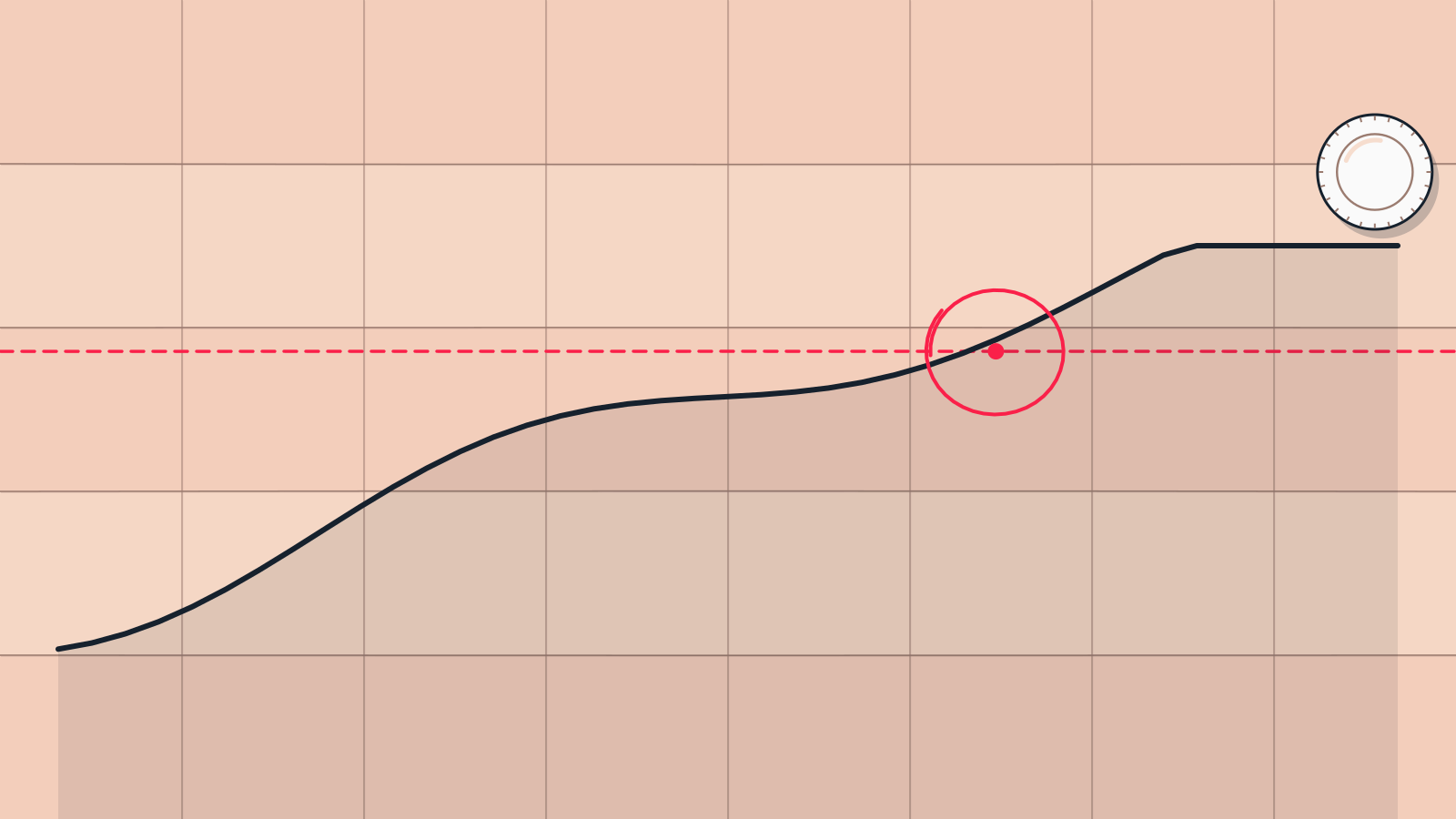
Codexis has swapped a loan that was due to start amortizing in March 2027 for a $60 million Trinity Capital facility that pays interest only for 48 months. The Redwood City enzyme maker announced the venture debt refinancing on November 10, 2026, and its SEC filing sets out what that runway costs.
Key points
- Codexis (Nasdaq: CDXS) signed a senior secured term loan agreement of up to $60 million with Trinity Capital (NYSE: TRIN) and drew $42.5 million at closing.
- The first draw retired the company's loan from Innovatus Life Sciences Lending Fund I, which would have begun amortizing in March 2027.
- Principal repayments are scheduled to start in November 2030, after 48 months of interest-only payments, with a 12-month amortization period to follow unless the interest-only period extends to maturity.
- Its Form 8-K sets the rate at the greater of 10.50% or a capped prime rate plus 3.75%, adds a 5.00% end-of-term payment, and grants lender warrants (SEC filing).
What did Codexis get from the venture debt refinancing?
Mainly time. Codexis says the Innovatus loan it repaid would have begun amortizing in March 2027, while the Trinity facility lets it pay interest only until November 2030, leaving $42.5 million of debt outstanding after closing.
The filing adds that the interest-only period runs all the way to the November 2031 maturity if no default has occurred by its end. Codexis paid Innovatus about $43.6 million to exit, covering principal, accrued interest, a prepayment fee and a final payment fee, using the first draw plus cash on hand (SEC filing).
"The new facility provides us with flexibility in our capital structure to advance many of our growth initiatives in the siRNA therapeutic sector. Industrializing our ECO Synthesis platform is a primary objective, and achieving important milestones in both GMP manufacturing and scale-up of oligonucleotide synthesis underpins the expansion of our position and influence in the industry."
— Georgia Erbez, Chief Financial Officer and Chief Business Officer, Codexis
"We are excited to work with Codexis in support of their vision to prove and industrialize the siRNA manufacturing process with their ECO Synthesis ® Manufacturing Platform and are pleased to facilitate Codexis's continued development."
— Rob Lake, Senior Managing Director, Healthcare & Life Sciences, Trinity Capital
What are the loan's terms?
The Form 8-K filed on November 10 lists the economics a finance team would model. Every figure in this table comes from that filing (SEC filing).
| Term | What the 8-K says |
|---|---|
| Size | Up to $60.0 million in three tranches (8-K) |
| Tranche A | $42.5 million, funded at closing on November 5, 2026 (8-K) |
| Tranche B | $7.5 million on request through December 15, 2027, if total loans stay at or below 20% of market capitalization (8-K) |
| Tranche C | $10.0 million during the interest-only period, at the lenders' discretion (8-K) |
| Interest rate | The greater of 10.50% or the lesser of the WSJ prime rate and 8.00%, plus 3.75% (8-K) |
| Fees | 1.00% commitment fee on each loan funded; 5.00% end-of-term payment on principal funded (8-K) |
| Prepayment premium | 3.00% in year one, 2.00% in year two, 1.00% after (8-K) |
| Liquidity covenant | While market capitalization is under $400.0 million, liquidity of at least the outstanding loan balance (8-K) |
| Warrants | Up to 1,666,668 shares at a $1.08 exercise price (3.0% of each loan funded), of which 1,180,556 vested at closing; they expire November 5, 2036 (8-K) |
| Security | Substantially all assets, including intellectual property (8-K) |
| Default rate | Interest may rise by 4.00% a year while an event of default continues (8-K) |
What rate does the loan carry today?
About 10.75% a year. The Federal Reserve's H.15 release shows the bank prime loan rate at 7.00% on every business day of the week ending November 6, 2026 (Federal Reserve H.15). The 8-K's formula is written on The Wall Street Journal prime rate; taking prime at that 7.00%, it gives 7.00% plus 3.75%, above the 10.50% floor (SEC filing).
The structure caps the rate as well as flooring it: because the prime component is limited to 8.00%, the coupon cannot rise above 11.75% outside of a default, whatever happens to prime (SEC filing).
What can other CFOs take from this deal?
Our analysis: the deal shows how life-sciences lenders price a long interest-only runway in 2026. The visible coupon is only part of the cost; the 1.00% commitment fee, the 5.00% end-of-term payment and the warrant coverage all belong in the all-in figure a CFO would compare with equity or another lender's term sheet (SEC filing). Tying the second tranche and the liquidity covenant to market capitalization also links access to the full facility to the share price, a feature finance teams at listed borrowers will want to model.
For how other borrowers have handled their lenders this quarter, see our breakdown of TTEC's new loan terms, and for the other lever on runway, Nanox's cost reduction plan.
Frequently asked questions
What is Codexis's ticker symbol?
Codexis trades on the Nasdaq as CDXS. Its lender, Trinity Capital, trades on the New York Stock Exchange as TRIN.
When did the loan close?
The Form 8-K gives the closing date as November 5, 2026; Codexis announced the facility on November 10 (SEC filing).
What will Codexis use the money for?
The company says the facility gives it room to pursue growth in siRNA therapeutics, with industrializing its ECO Synthesis platform for making oligonucleotides as a primary objective.
Who is Trinity Capital?
Trinity Capital is an alternative asset manager based in Phoenix, Arizona, which reports putting over $6.2 billion to work in more than 490 investments since it began in 2008.
Sources
- Codexis's announcement of the Trinity Capital facility: press release from Codexis via GlobeNewswire, 10 November 2026.
- Codexis, Inc. Form 8-K: the company's filing with the U.S. Securities and Exchange Commission describing the loan and security agreement and lender warrants, 10 November 2026.
- H.15 Selected Interest Rates: the Federal Reserve's daily release, including the bank prime loan rate.
- Codexis: the company's website.